September in the Salad studio
Read more
in the Salad Studio
October has been full of new brands, website launches and useful experiments, alongside the quieter work of keeping our clients’ websites safe and working as they should. We’ve helped turn an AI-built idea into a tool customers can use, seen our employee ownership story taken into print and enjoyed plenty of conversations beyond the studio.
We’ve also said a fond farewell to Sophie after more than ten years with Salad. A month with lots to share, and a few moist eyes too.
Here’s the round-up.
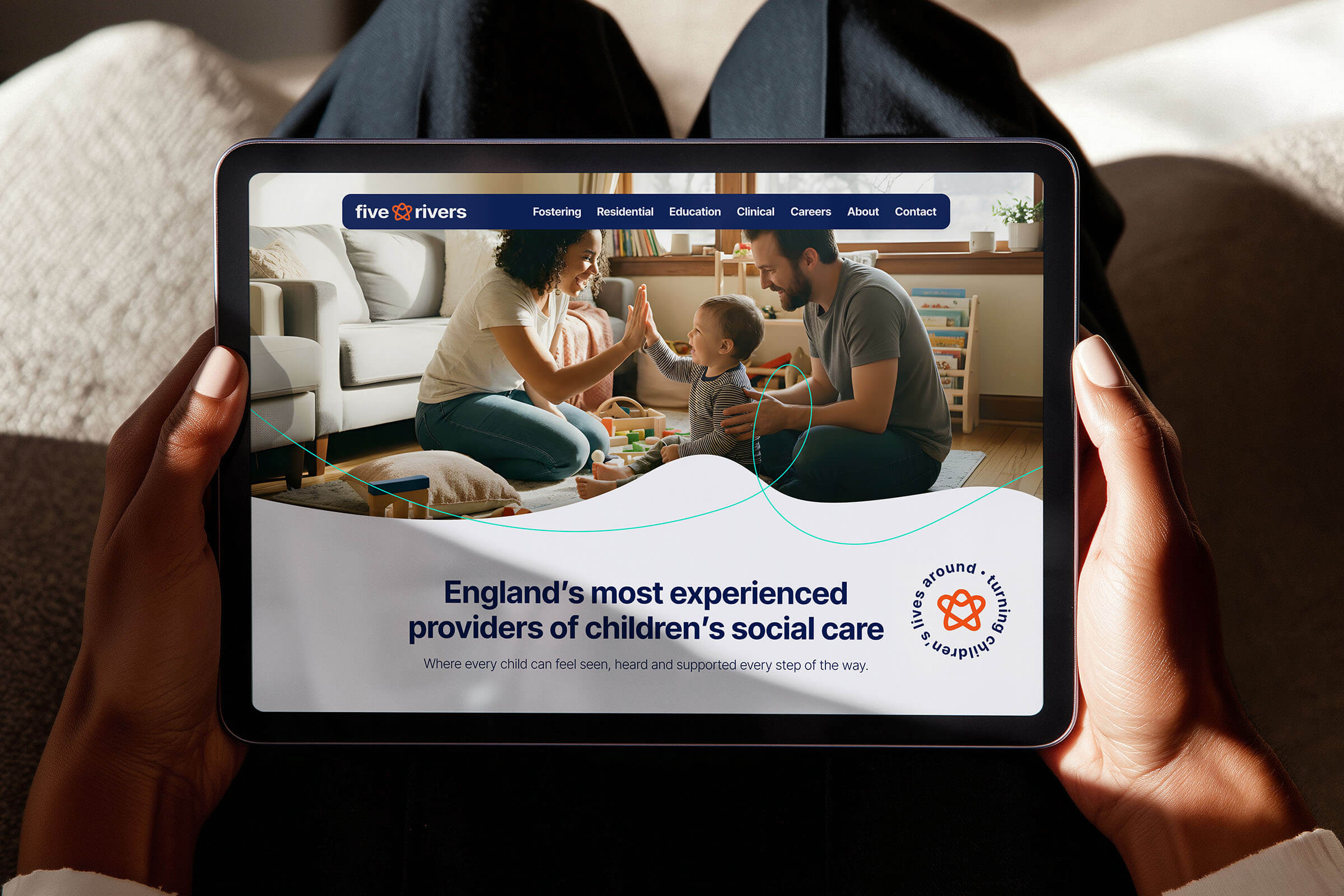
We’ve helped Five Rivers Child Care bring their new brand to life on their refreshed website, reflecting more than 37 years of supporting children and young people, and their impact as a social enterprise.
Our favourite detail? The children’s own handwriting. Rebekah Davison, Five Rivers’ Brand & Design Lead, invited young people in their care to write out the alphabet. Those letters became Five Rivers Script, the font used for headlines and calls to action on the refreshed site. A lovely way to put the children at the heart of the brand.
Our role was to translate that identity into a digital experience, continuing our partnership with Five Rivers, which began when we took on ten of their websites in 2024.
Thank you to Lisa, Nela, Becky and the whole Five Rivers team for their trust and collaboration.
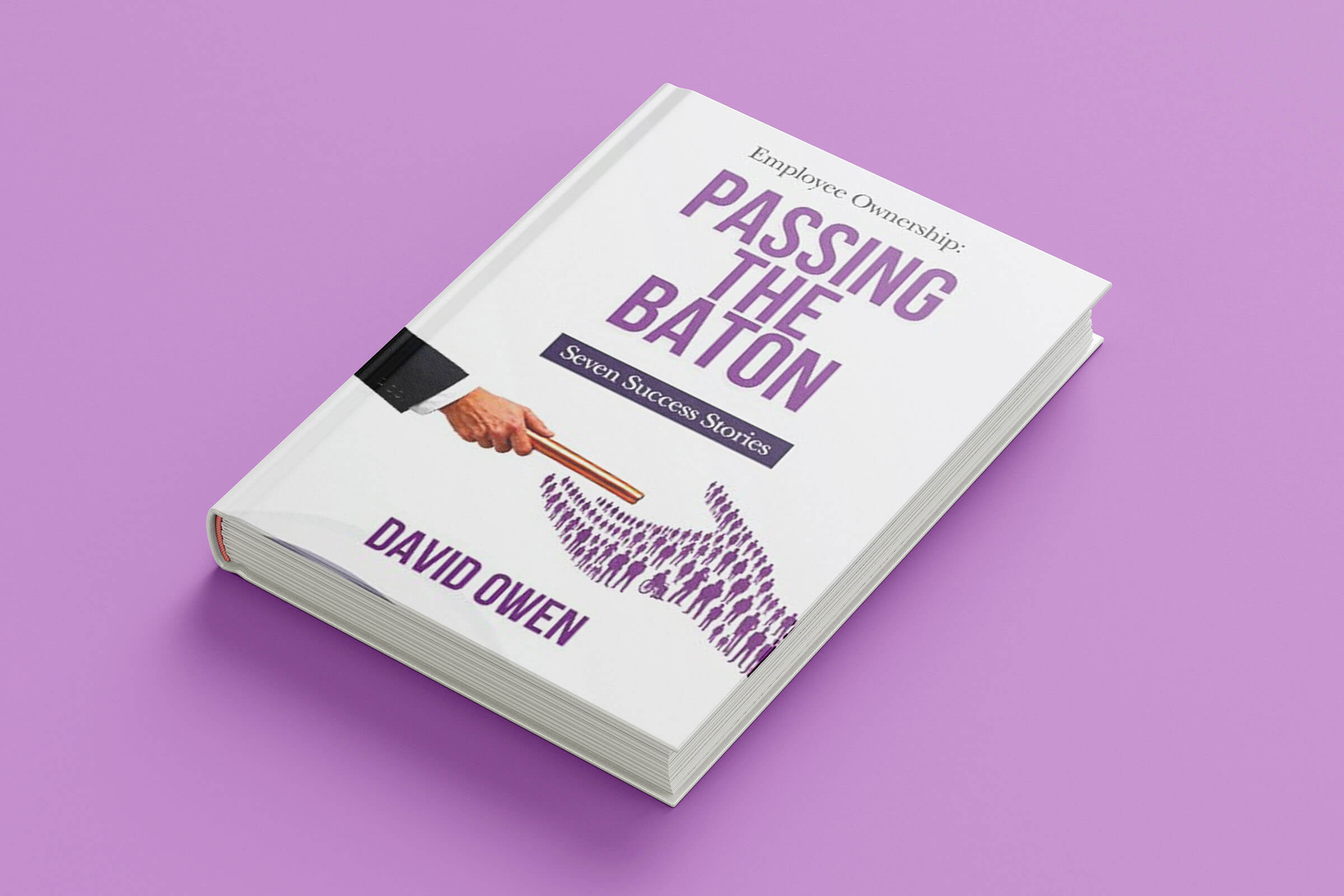
Our journey to employee ownership features in David Owen’s book, Employee Ownership: Passing the Baton, Seven Success Stories. The chapter follows Salad’s story from its early days through our transition in 2021 and the practical realities of running an employee-owned agency.
It includes perspectives from across the team on what has changed, what we’ve learned and what we’re still working on. For us, employee ownership has never been just about changing the paperwork. It’s about building a business where people have a meaningful voice and share in its success.
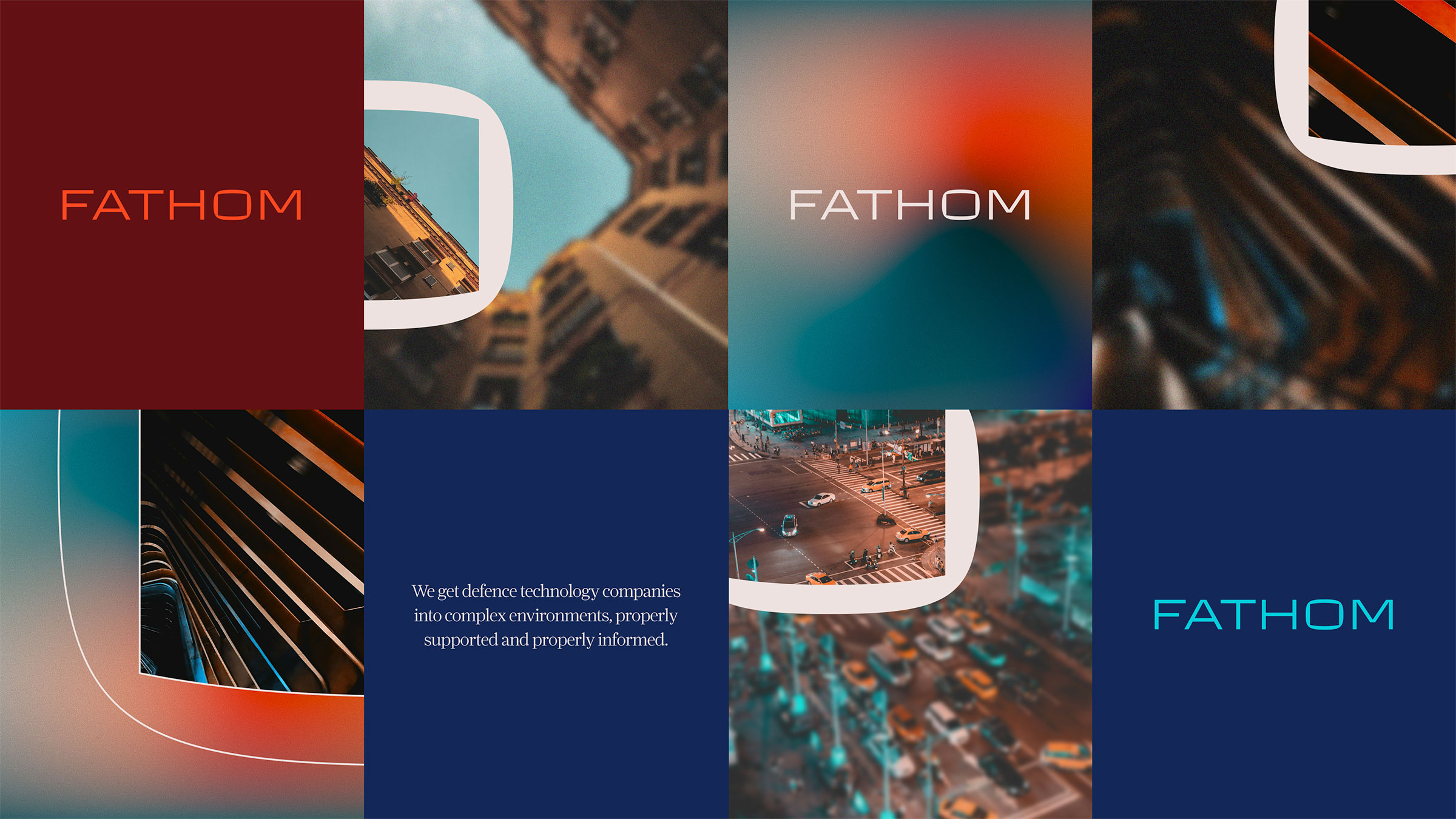
We have recently completed a new brand and website for Fathom, a boutique, founder-led company providing logistics, training and operational support to defence technology companies working in conflict environments.
Most brands in Fathom’s sector are written to impress other ex-forces operators. Fathom’s customers are defence technology firms with contracts to deliver, who need to know someone can get the job done on the ground. So the messaging speaks to them directly, in the plain, no-fuss way Fathom’s team talks.
That directness carried through into the identity and the new website, which give buyers a clear picture of a serious team that can deliver.
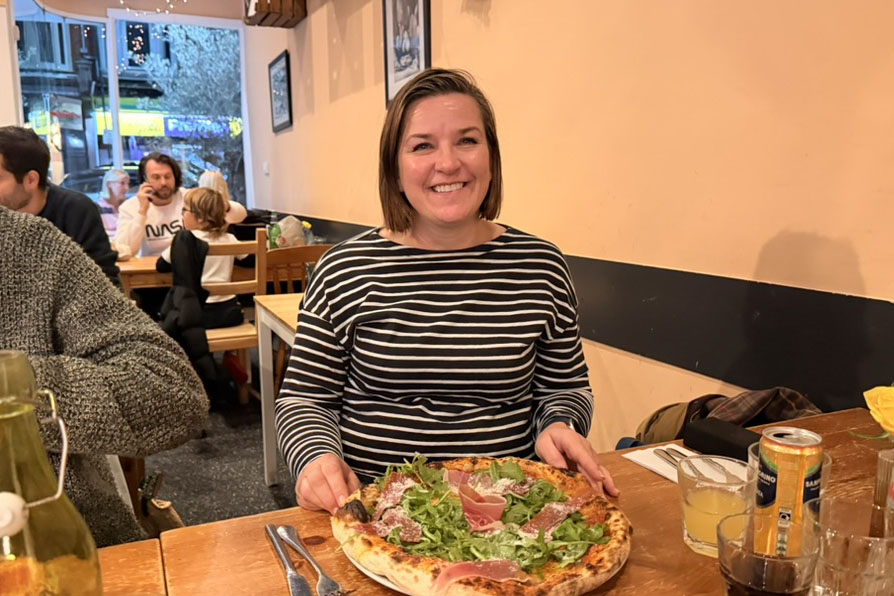
This month we said a fond farewell to Sophie, who has moved on to a new role after more than ten years with us. In that time, as well as keeping us and our bookkeeping organised, she’s been a big part of who we are as a team. Her energy, kindness and passion have helped shape our culture.
We’re excited for Sophie as she starts her next chapter, and grateful for everything she’s given us over the past decade. She’ll be hugely missed. Thank you Sophie, and good luck!
When two critical vulnerabilities in PHP, the software behind many websites, made headlines this month, our digital team got to work.
We reviewed the websites we manage, checked hosting arrangements and security updates, and patched and re-tested sites on infrastructure we maintain ourselves. For the few older websites that couldn’t take a straightforward update, we worked through practical alternatives, including static versions that remove the need for PHP in some instances.
Just as importantly, we told clients what was happening, what we were doing and whether they needed to act.
It’s the less visible side of website support and maintenance: responding when it matters, explaining things clearly and continuing to monitor as guidance develops.
Read the PHP team’s security guidance.
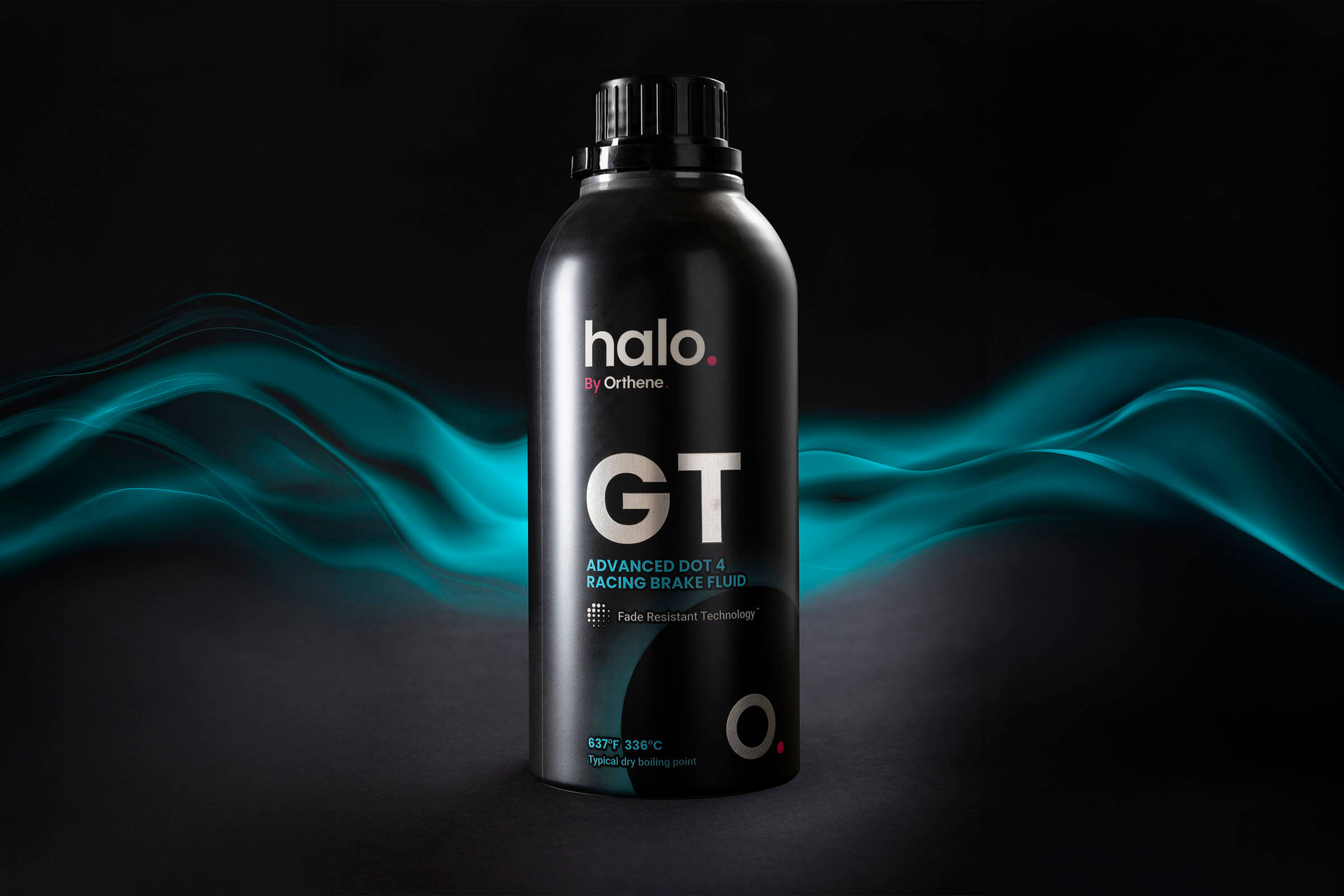
After designing the brand and identity to help launch Halo’s flagship P1 racing brake fluid, we’ve been working with the team to bring the next product, Halo GT to market.
Built for sprint racing, serious track and fast road use, GT takes Halo’s performance-led brake fluid thinking to a wider audience. We introduced a bold new product colour alongside Halo’s distinctive pink, applying it across new packaging and a dedicated website landing page.
It’s a natural evolution of the brand, giving the new product its own identity without losing what makes Halo unmistakable.
Explore Halo GT and see our work with Halo.
Our Head of Design, Jon, was delighted to be invited to join the industry judging panel for the Creative Futures South West Employer Badge competition. FE students across the South West were challenged to design a digital badge that recognises employers who support emerging creative talent, and it was a real pleasure to see how they responded.
The standard was high, with some thoughtful ideas and a great deal of care in the process work behind them. We’re looking forward to seeing the winning design brought to life!
Deepcove’s Roland Allen combined his optical expertise with AI to build Lens Thickness Studio, a tool to help optical professionals compare lens thickness. Our role was to help take it from a promising prototype to something customers could use through the Deepcove website.
We packaged the tool into WordPress, resolved hosting and browser issues, improved the mobile experience and connected registration and usage reporting to HubSpot, keeping patient details separate from tracking. It’s a lovely example of client expertise and digital know-how working together to make a useful idea work in practice.
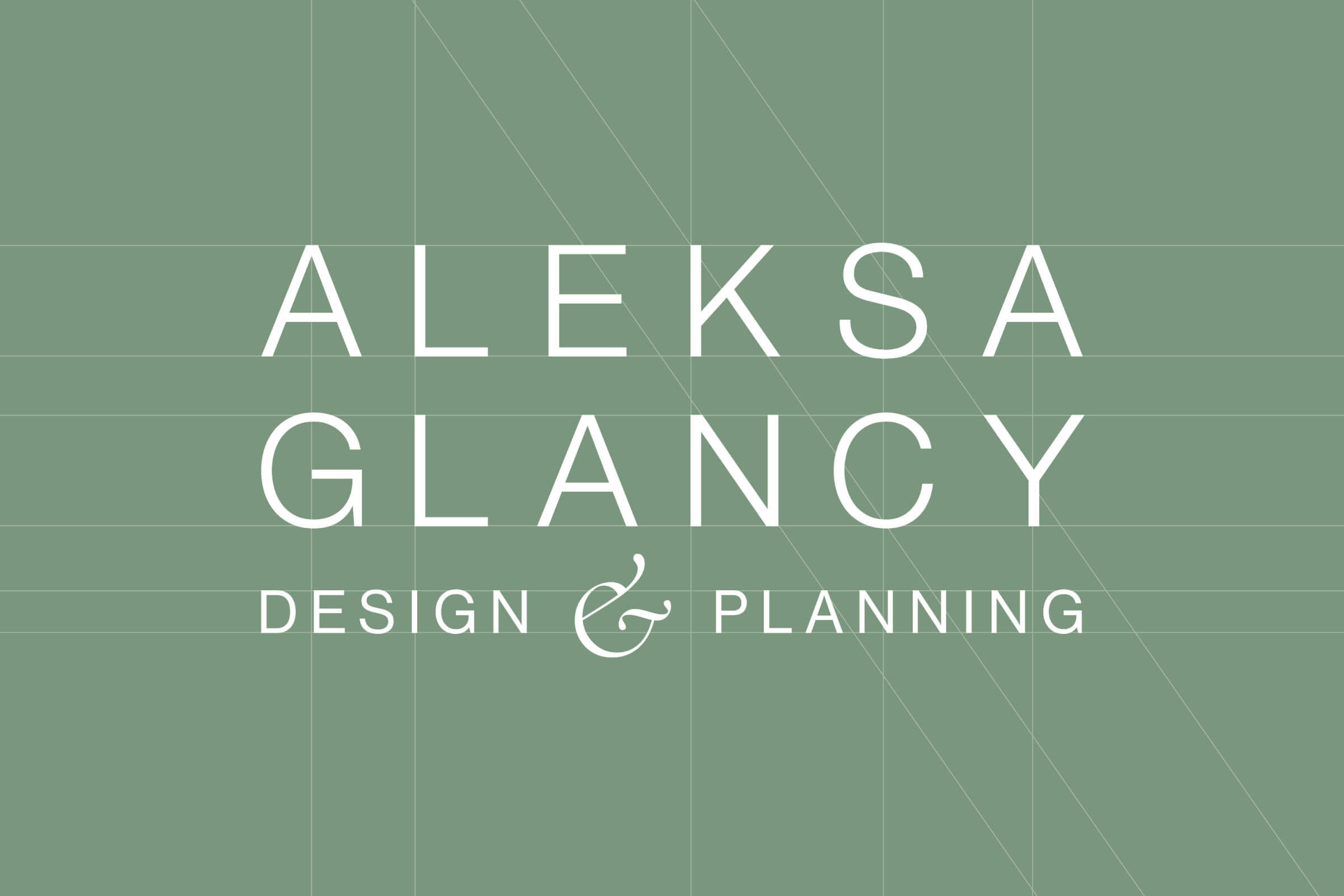
After a decade building her architectural design and planning practice, Aleksa Glancy wanted a brand and website that reflected the business she’d created. The brief was to evolve, not overhaul, keeping its character while giving it a more confident, considered expression.
We refined the identity and built an image-led website that lets the architecture do the talking, with clearer services and stronger foundations for search.
Aleksa’s words say it best: “I was listened to and the results reflect us authentically.”
Visit Aleksa Glancy’s website or see the case study for the full story on the identity and website project.
A website can be online and still not be doing its job. If an enquiry form stops working, an uptime monitor won’t necessarily spot it.
That’s why we’ve built Spectre, our automated website-testing tool. Part of FlightDeck, our website control room, it repeats important browser journeys on a schedule and flags failures for our digital team to investigate.
The aim is simple: check the actions that matter to our clients’ businesses, not just whether their pages load. It’s a practical example of how we’re building our own tools around the needs of the websites we look after, and finding better ways to add value to our retained relationships.
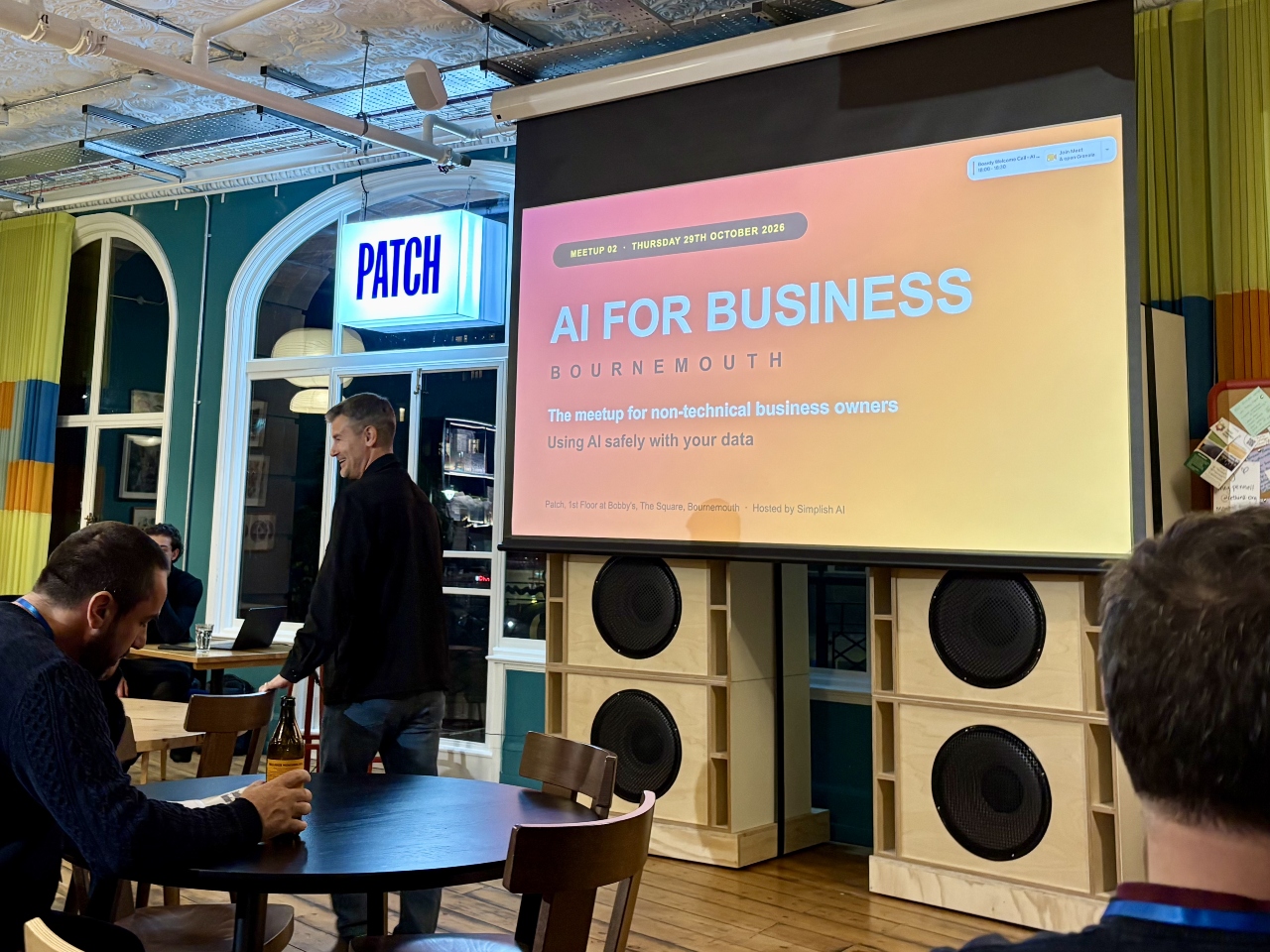
October has taken us well beyond the studio, from Bournemouth and Poole to Exeter and London.
Between us, we’ve joined Barclays’ Women in Business Connected, Silicon South’s Future Shapers conference, the Southwest Employee Ownership Conference, Women Lift Women, Agency Adventure and the AI for Business meetup at Patch. Phew!
Different rooms, different conversations, but the lovely common thread has been people. Catching up with familiar faces, meeting new ones and hearing what others are working on, excited about and finding challenging.
It’s been really good fun, and a reminder of how much we value getting out into the world. There’s plenty to learn from each other, and it’s good to make time for conversations that don’t start with a brief.
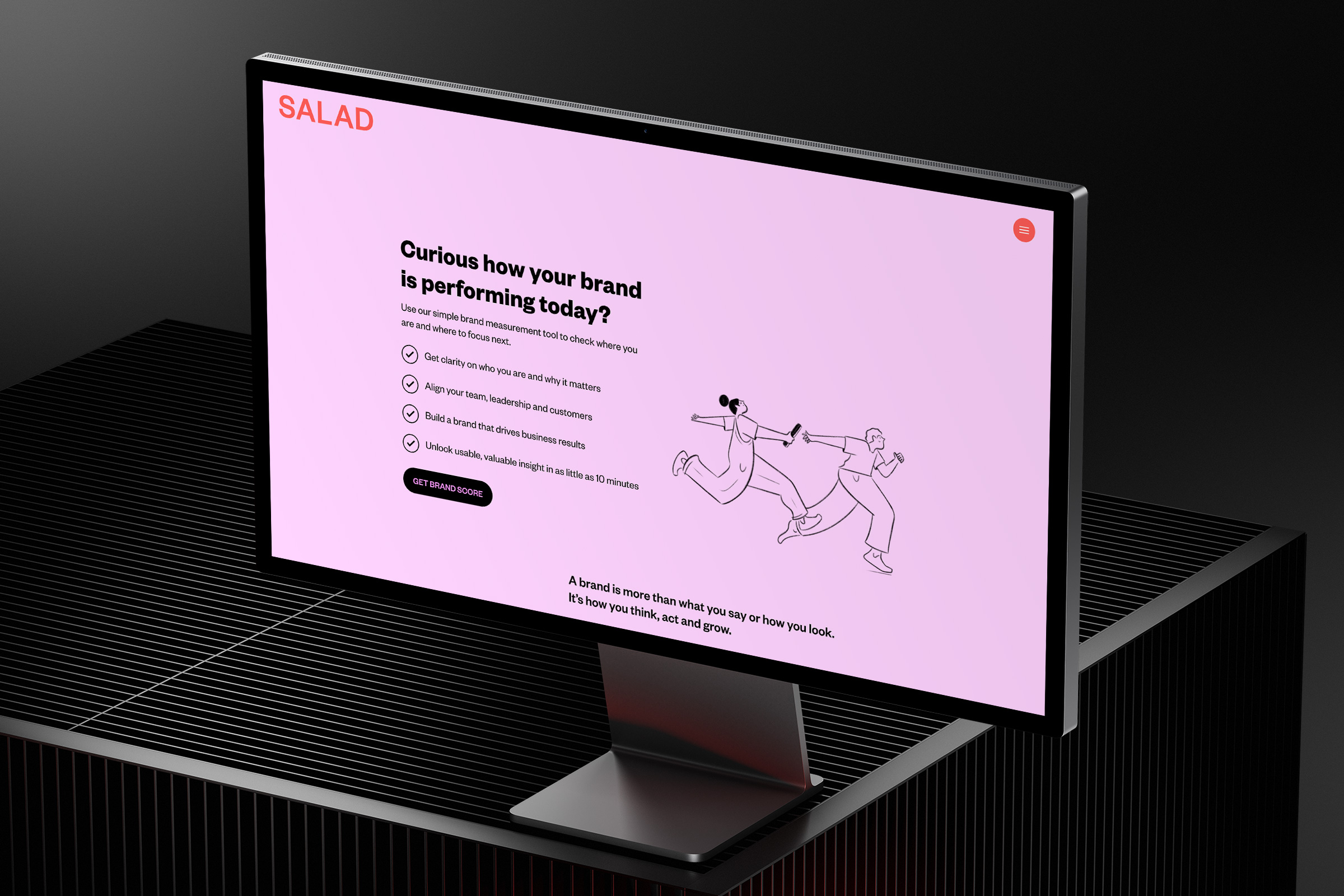
We’ve recently launched our brand measurement tool, a free online assessment that scores a business against the four questions at the heart of our brand model: Why, What, How and Who. It takes under ten minutes to complete.
Most of the businesses we speak to can tell when something isn’t working with their brand, but find it hard to say where. The tool gives them a clearer starting point and gives us a better first conversation. You can try it here.
An extra step at login can feel like a nuisance. But a password alone, however strong, can still be stolen.
We’re making two-factor authentication (2FA) a required part of access to our clients’ website content management systems. By adding a second check, typically a code from an authenticator app, it makes a stolen password much less useful to an attacker.
We’re helping clients get set up. It won’t prevent every security issue, but it’s an important layer of protection for website content, customer information and business continuity.
Read the NCSC’s guide to two-step verification
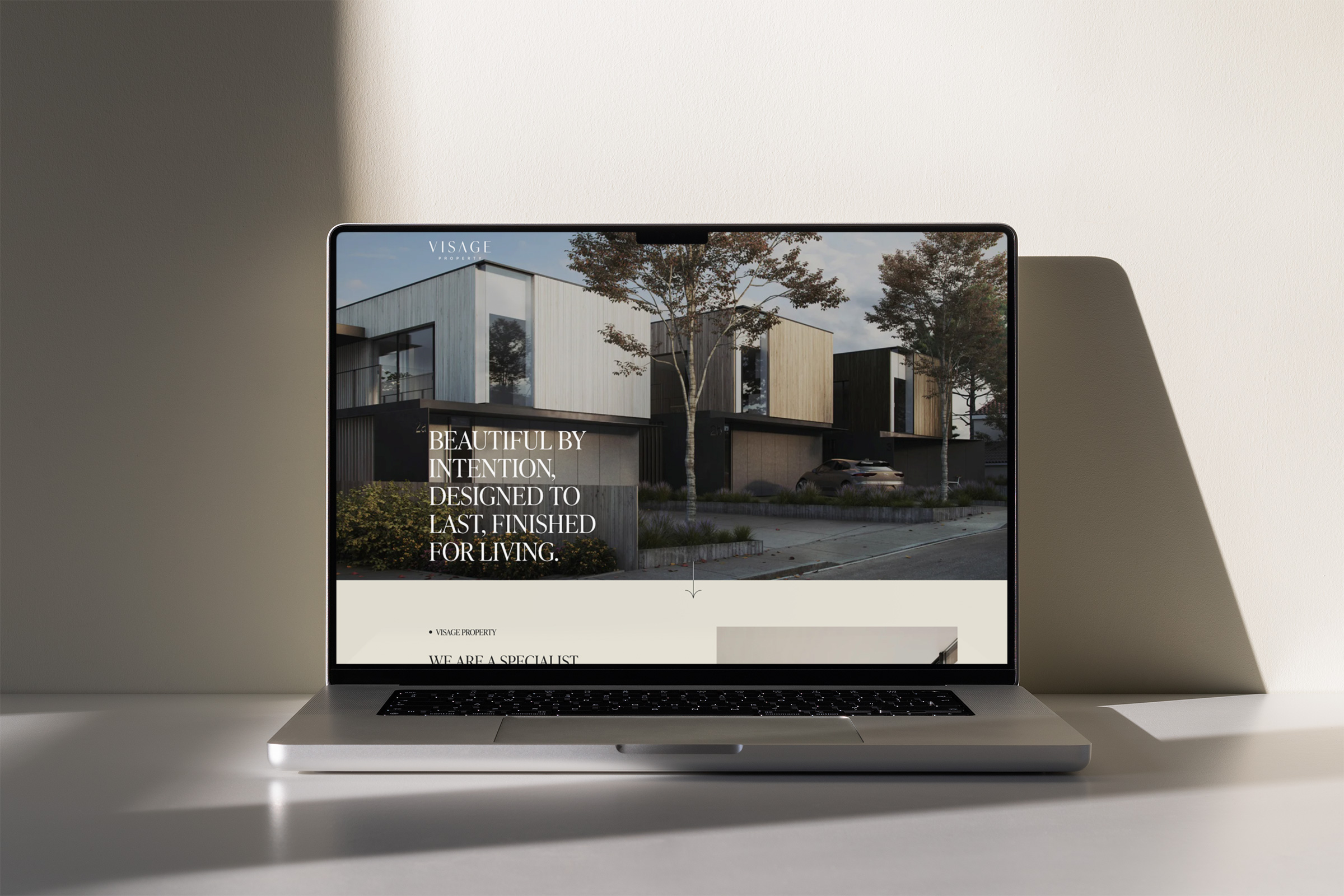
We recently launched a new brand and website for Visage Properties, a sustainable residential developer on the South Coast. Rather than presenting work and waiting for feedback, we brought founder Andrew Taylor into the studio and did most of the work with him in the room, over the course of a day.
Bella, Jon and Harry started by interviewing Andrew about the business and where he wants to take it, while Lorna and Matt set up the website structure and technical foundation. Jon designed identities for Visage and Andrew’s structural insulated panel and swimming pool maintenance businesses, while Harry wrote the copy and Bella art-directed the imagery. With Andrew on hand, questions that would usually go back and forth over email were answered on the spot.
By the end of the day, the strategy and identities were done, and we had a working prototype of the site. Matt spent a few more hours refining it before launch.