Why your website is quietly going out of date
Read more
TL;DR: The planning stage isn't just paperwork - it's the strategic foundation that prevents scope creep, guides every creative decision, and ensures your digital project actually meets its goals. Skip it, and you risk joining the growing list of expensive digital failures.
In 2014, TSB attempted what should have been a straightforward website migration. Instead, it became one of the UK’s most notorious digital disasters. Arbitrary deadlines, inadequate testing, and a failure to truly understand customer needs resulted in £330 million paid out in compensation and 80,000 customers lost. The technical migration was planned, certainly, but the human element – understanding what customers actually needed from their banking platform – was overlooked.
More recently, the NHS COVID app development showed similar warning signs. After months of work, the entire approach had to be ditched and rebuilt. The technology worked in isolation, but the planning hadn’t accounted for real-world usage patterns and user needs.
These aren’t just technology failures. They’re listening failures. They’re what happens when organisations act without properly understanding their audience, their goals, and their actual requirements before diving into design and development.
We see a familiar pattern with digital projects. There’s often a lack of understanding about what planning actually involves or why it matters. Without clarity on what this phase delivers, it’s easy to assume “getting started” means jumping straight into wireframes or design concepts.
This creates a cascade of entirely preventable problems:
Disconnection and scope creep become inevitable when there’s no clear reference point. Without a solid planning foundation, every stakeholder has a slightly different vision of what “success” looks like, and the project expands to try to accommodate everyone.
Websites that don’t meet their intended goals get launched because no one clearly defined what those goals were in the first place. Is this about generating leads? Building trust? Driving direct sales? Supporting existing customers? It’s vital to understand the nuances required in approaching each of these goals and understand how they may overlap.
Key user journeys and purposes remain unclear, which means the website gets structured around what the organisation wants to say rather than what users actually need to do. The result is a beautiful design that fails to convert, or comprehensive content that no one can find.
Content creation, design, and build all take significantly longer than expected because there’s constant backtracking. Questions that should have been answered in week one are being asked in month four. Assumptions are being corrected. Work is being redone.
Resource requirements and costs balloon beyond original expectations because proper planning would have revealed the true scope. Without understanding what you’re actually building and why, accurate estimation is impossible.
The wrong stakeholders get brought in too late, creating the dreaded “but I thought it was going to do this” moment when you’re already in the build phase. Suddenly, you’re retrofitting features, redefining the brief, or managing expectations that should have been set from day one.
Teams fail to identify the real problem to solve, which means doing unnecessary work. We’ve seen clients ready to scrap entire websites when actually, some of their existing content is high quality with strong SEO value – it just needs restructuring and refreshing, not replacing.
Complex or niche businesses especially struggle here. When what you do isn’t easily explained, the temptation is to just “get something up” and refine it later. But that approach almost always costs more time and money than doing the hard thinking upfront.
“Listening and understanding becomes the plan.”
This isn’t about adding bureaucracy. This is about creating the strategic foundation that makes everything else possible. When we talk about planning, we’re talking about building a reference point – your single source of truth that guides every decision that follows.
A good planning phase creates project documentation that becomes your quality assurance benchmark. Everything you build gets tested against what you said you’d build. Every piece of content gets measured against the user needs you identified. Every design decision gets evaluated against the strategic goals you defined together.

This documentation isn’t gathering dust in a folder somewhere. It’s the living document that keeps everyone aligned, prevents scope creep, and makes it possible to objectively say “yes, this is working” or “no, this isn’t meeting the brief.”
Planning done right means deeply understanding not just your client, but their customers. What emotional state is someone in when they visit this website? What do they actually need to accomplish? What action do we want them to take?
This is where empathy becomes essential. We’re not just gathering functional requirements – we’re understanding the human experience. As an example, when someone lands on a site looking for alternative education options for their teenager, they’re likely anxious, frustrated with traditional systems, and desperately hoping for a solution. The planning phase is where we capture that emotional context and ensure the website serves it.
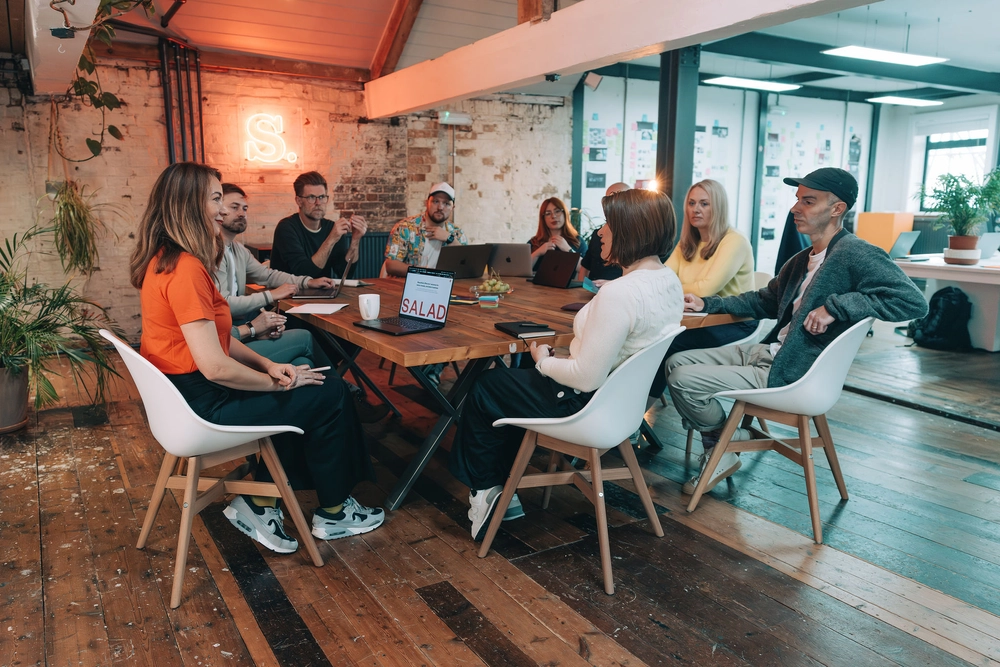
The success of any website project hinges on the strength of collaboration. We don’t see ourselves as merely a supplier but as an extension of your team. The best results are achieved when we work together, combining our technical expertise with our clients’ deep understanding of their business and marketplace.

Websites are complex, multifaceted projects that require various inputs from diverse, skilled professionals. Our team brings expertise in design, development, SEO, and user experience, but our clients’ insight into their business, target audience, and industry nuances is equally crucial. This synergy of knowledge and skills is what transforms a good website into a great one.
It’s important to acknowledge that the process may get messy at times. The final phase in particular can be demanding, involving content finalisation and meticulous review to ensure everything functions as intended. But this attention to detail is what creates a website that positions a website for success and business for genuine growth.
This is where the planning phase proves its value. Having senior people who understand users and required journeys means asking the questions that others might not think to ask.
Each specialist brings their unique lens to the planning stage. The SEO team explores search intent and discoverability. Brand strategists examine brand positioning and messaging. UX designers map user journeys and interaction patterns. And creatives consider visual narrative and emotional impact.
The planning phase is where we distil and combine all these different perspectives into a cohesive plan. This synthesis means requirements and opportunities get identified upfront, when they can be built into the foundation – rather than surfacing later when they’re expensive or impossible to address.
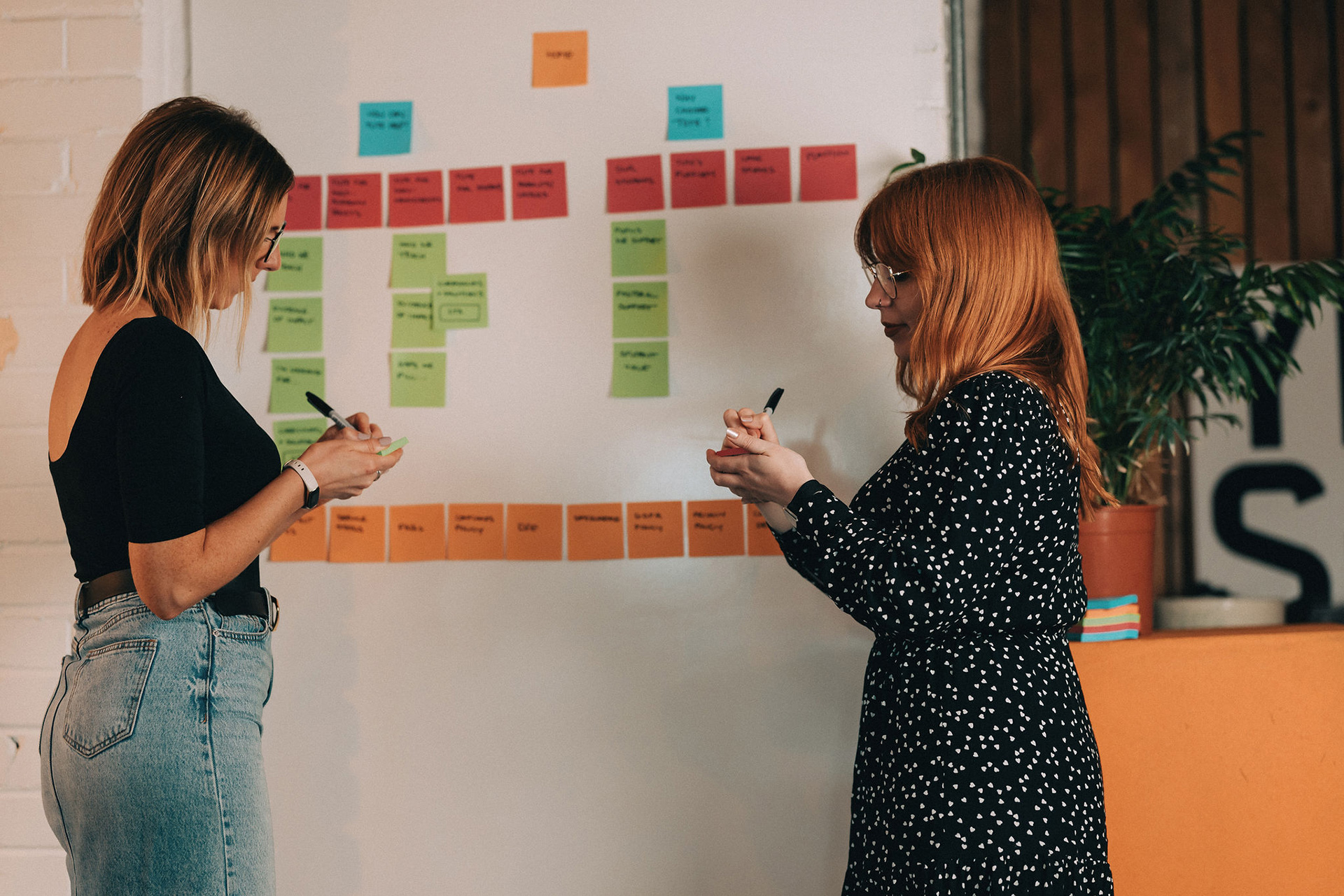
One of the most valuable things we do in planning is helping our clients understand their role in the project. We make recommendations about who should be in which meetings. We structure workshops thematically – users first, then content requirements, then technical specifications – so we’re getting quality input from the right people at the right time.
For example, with a recent project, whilst we had initially allocated one workshop for planning, we suggested splitting it into three focused sessions with different stakeholders. This approach allowed us to spend quality time understanding user needs, content requirements, and technical constraints separately, getting the best from each group without overwhelming anyone.
We also ask clients to share any existing feedback, research, or materials before we start. This isn’t just about efficiency – it’s about listening to what they’ve already learned and building on it rather than starting from scratch.
Creating truly effective digital experiences means understanding that strong brands are held together by a single, unifying idea – what we call the red thread. This concept, rooted in mythology and storytelling traditions, represents the clear thread of meaning that should run through every aspect of your brand and digital presence.
When planning includes deep brand understanding, you create websites that don’t just function well – they feel coherent. The red thread becomes the filter for every creative decision, ensuring nothing feels disconnected or arbitrary.
This means:
The essence of your brand gets translated into visuals and messaging that work specifically for digital contexts. What works in a brochure might not work on screen. What resonates in person might need a different treatment online.
Brand identity and digital design become joined-up thinking rather than separate workstreams that sometimes conflict. When brand strategy is baked into the planning phase, the visual identity system naturally extends into digital design.
Value propositions and messaging development happen with the digital user journey in mind from the start, not retrofitted later. We’re thinking about how someone discovers you, what convinces them to stay, and what compels them to act.
This red thread approach means your website isn’t just representing your brand – it’s embodying it in a way that users can feel, even if they can’t articulate it.
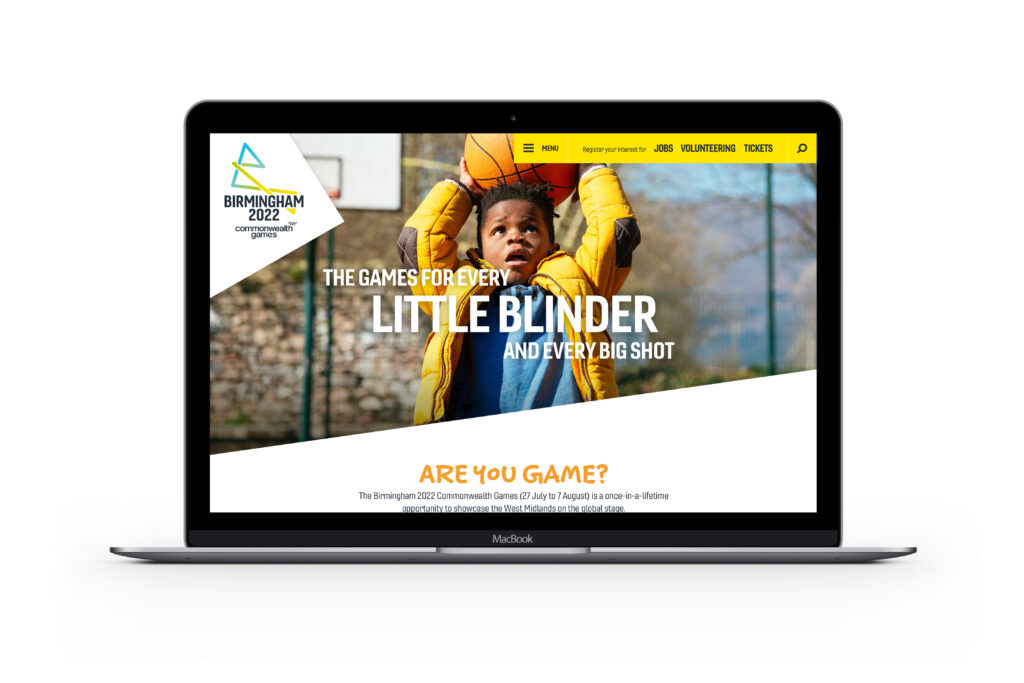
When we worked with the Birmingham 2022 Commonwealth Games team, the planning phase was pivotal to understanding their brand – we understood it deeply enough to translate it effectively across all digital touchpoints. That depth of understanding in planning resulted in such effective work that we became their ongoing digital partner for 4 years and formed a long-standing relationship with the brand agency, who we still work with today.
Since 2014, our partnership with Ellis Jones Solicitors has evolved into a strategic alliance that balances brand development, digital transformation and marketing excellence.
The website has naturally evolved considerably over the last decade, and with each upgrade cycle – be it large or small – it’s the thorough planning and interrogation of the brief that ensures we consider all aspects well enough to develop work that’s as meaningful as it is measurable.

That’s the beauty of proper planning. It’s not our default to scrap websites and start again. When the strategic foundation is right, websites can adapt, expand, and improve over time. But when that foundation is shaky, even a beautiful design can’t save a project from eventual rebuilding.
Our approach to planning hasn’t changed fundamentally over the years, though how we execute it has evolved. Whether it’s a modest budget or a significant investment, the core principles remain:
We start by really understanding what the business is trying to convey – not just to us, but to their audience. This often means helping clients articulate things they intuitively understand but haven’t formalised.
We identify and involve the right stakeholders from day one, not halfway through when their input means costly rework. This includes leadership and internal team members across departments (marketing, sales, customer service) who interact with customers in different ways.
We review what already exists – feedback clients have gathered, analytics from their current site, content that’s working well, and SEO value that mustn’t be lost. Planning isn’t just about the new; it’s about understanding what to keep.
We structure our workshops and conversations purposefully, ensuring we’re getting the depth of understanding we need without exhausting people with five-hour sessions. Sometimes that means multiple shorter, focused conversations are more valuable than one marathon meeting.
We create documentation that becomes genuinely useful, not just deliverables that get filed away. These documents become the reference point for testing, the guide for content creation, the brief for design, and the requirements for development.
There’s a reason people may want to skip the planning stage. It’s challenging. It requires thinking deeply about things that might be uncomfortable – who your audience really is, what you’re actually good at, and where your current website is failing.
Planning asks you to confront the gap between what you think you’re communicating and what your audience is actually understanding. It requires honesty about internal constraints, budget realities, and sometimes difficult prioritisation decisions.
But this is exactly what makes it valuable. The planning stage is where you do the hard thinking that prevents much harder problems later. It’s where you catch misalignments before they become website sections that no one uses. It’s where you identify missing content before you’re scrambling to create it during what should be the review phase. It’s where you surface the stakeholder who would have derailed the launch if they’d been brought in at the eleventh hour.
The fulfilment in digital work comes from doing things properly. From knowing that the website you’re launching isn’t just going to look good on launch day, but will actually serve its purpose months and years later.
The next time you’re considering a digital project, resist the urge to jump straight to “what should it look like?”
Instead, start with: What does our audience actually need? What are we genuinely trying to achieve? Who needs to be part of this conversation? What do we already know that we should build on? What assumptions are we making that we should test?
The strongest digital projects don’t start with mood boards and colour palettes. They start with listening, understanding, and planning. Everything else follows from that foundation.
If you’re planning a digital project and want to explore how proper strategic planning could set you up for success, we’d love to hear from you.
Want to discuss how strategic planning could transform your next digital project?
Contact us at [email protected] or discover more about our Digital and Strategy services.