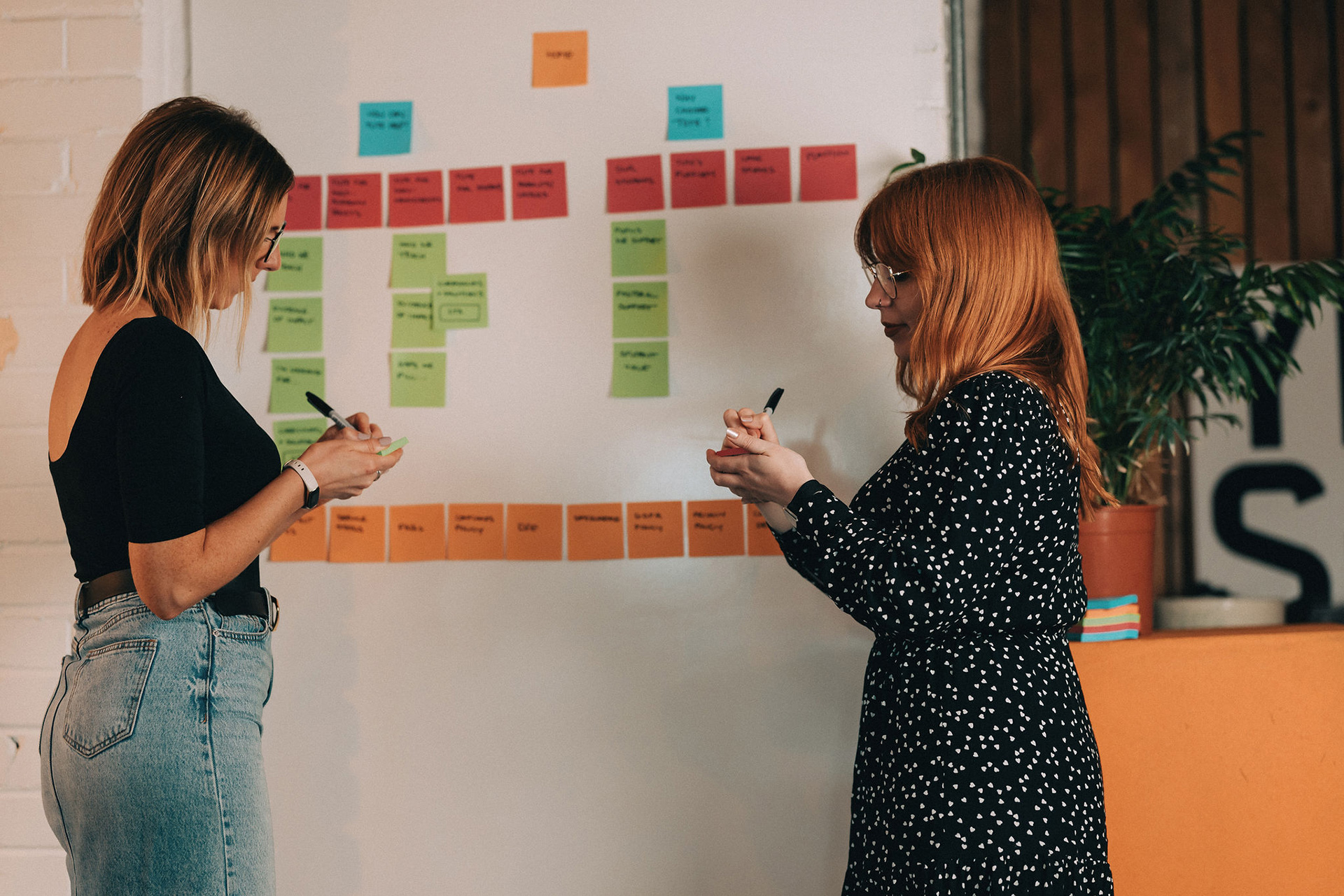
Navigation is diagnosis, not decoration
Read more
Much digital work is judged at the wrong moment. We tend to assess websites and platforms when they first appear; at launch, in presentations and often in screenshots. But that is rarely when digital work succeeds or fails.
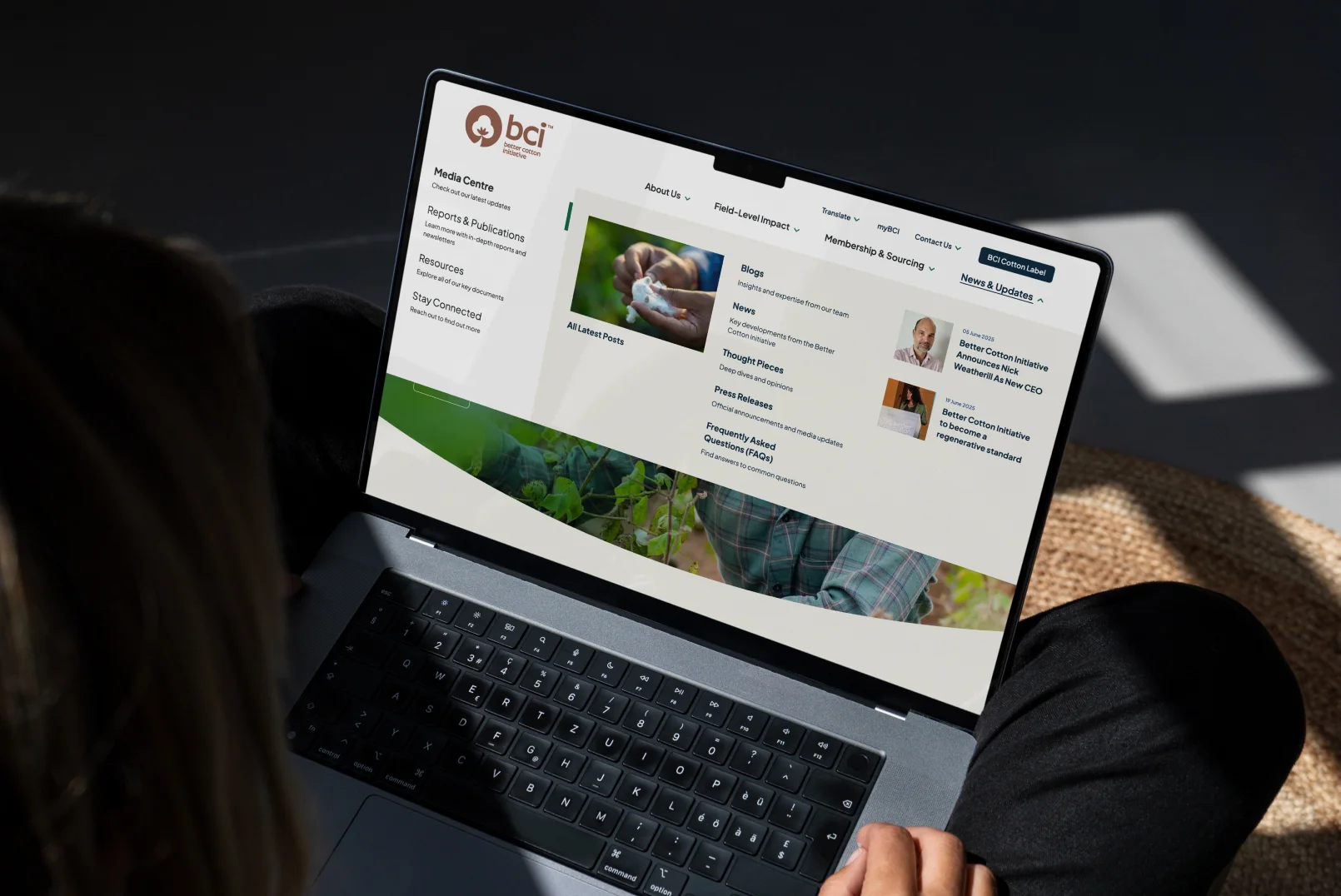
The real test comes later: when the platform has to absorb change, when it has new priorities or new audiences, new content or new ways of working. That is when the difference between something designed to launch and something designed to last becomes obvious.
Digital projects often peak at launch because that is the point they are optimised for.
The design is polished, the messaging is aligned. The structure makes sense in theory, and everything feels resolved. And then the organisation starts using it.
Content grows and shifts, teams change, and services evolve. Once clear decisions become less so. The platform is asked to flex, adapt and carry things it was never explicitly designed for. This is where many digital platforms start to struggle.
Not because the design was poor, but because it was built to present a moment in time, rather than support an ongoing reality.
One of the clearest signals that a platform was designed to launch rather than last is fragility. Small changes start to feel risky, and updates take longer than expected. People hesitate before touching anything, and over time, confidence erodes.
We see this most clearly in complex organisations. As responsibilities grow and priorities compete, the website becomes the place where unresolved decisions are negotiated through structure and content. The more ambiguity it carries, the harder it becomes to manage.
This is less a failure of execution and more a failure of intent.
Digital platforms that last behave differently. They are designed with change in mind. Structure is clear enough to flex without breaking. Principles are strong enough to guide decisions without constant debate. Design systems are treated as tools, not artefacts.
In our work with organisations like Better Cotton Initiative, Evidensia & ISEAL, progress came from stepping back before stepping forward. Auditing what existed, understanding how people actually used the platform, and clarifying what the website needed to support next, not just what it needed to say at that point in time.
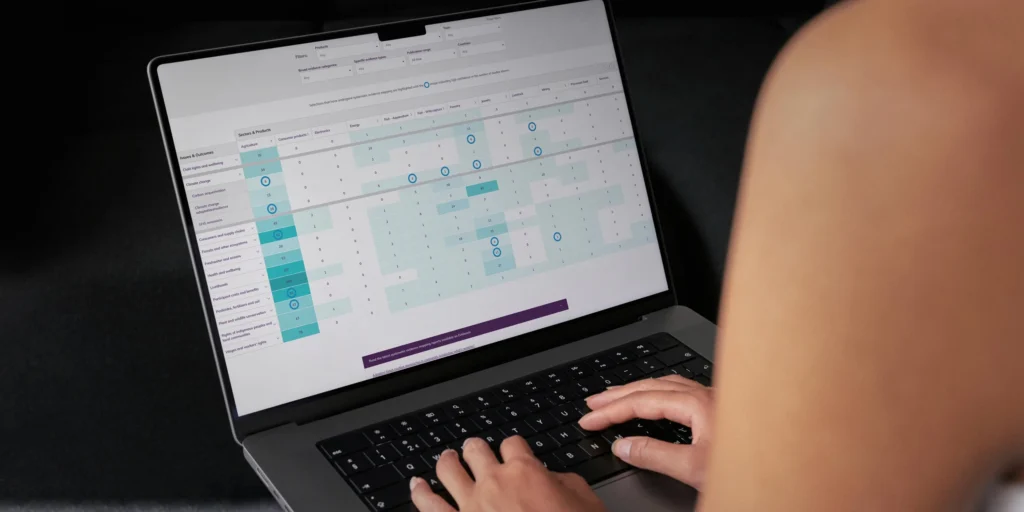
Less about dramatic reinventions, more about platforms that can evolve with confidence.
Similarly, in long-term relationships like Ellis Jones, the focus has never been on periodic reinvention. Instead, it has been about incremental improvement. Making sure the platform continues to serve the organisation as it grows, rather than resetting it every few years.
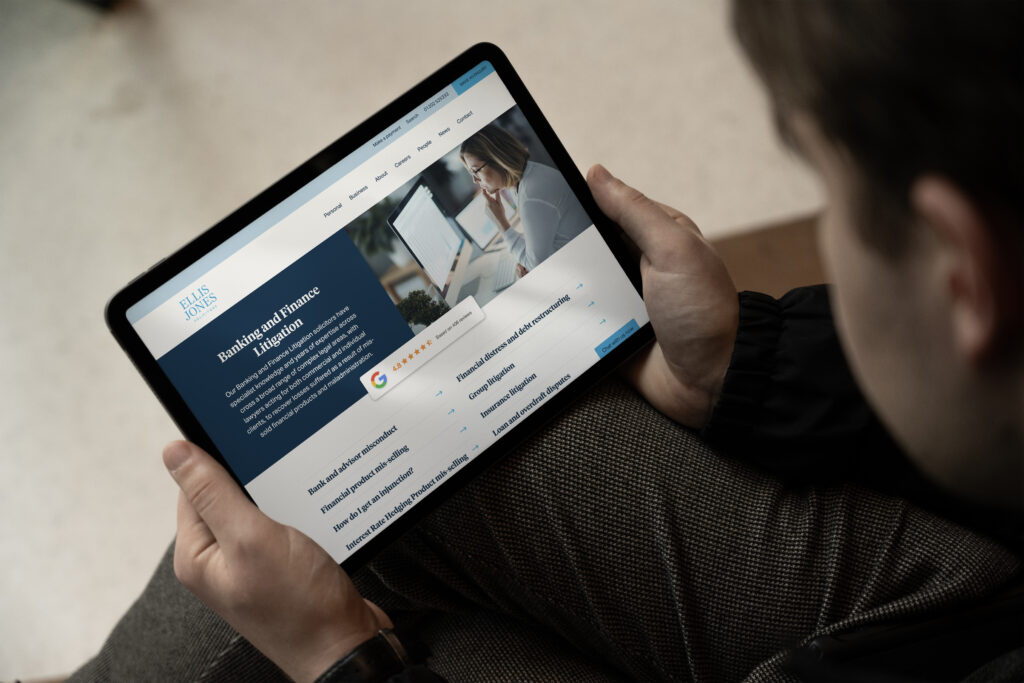
Durability rarely looks exciting at launch. But it pays back over time.
This is where many organisations hesitate, and understandably so. Designing for longevity often feels harder to justify than designing for impact. It requires investment before the benefits are obvious, and asks for clarity before certainty, prioritising foundations over finishes.
But the cost of not doing this work is rarely neutral.
Platforms that are not designed to last become expensive in different ways. Through duplication or inefficiency. Through teams working around systems rather than with them. Through the gradual loss of confidence that makes every change feel heavier than it should.
Designing for durability is not about future-proofing everything. It is about creating enough clarity that change can happen without friction.
The most enduring digital platforms rarely draw attention to themselves. They feel obvious and dependable, quietly supporting the work they exist to enable.
That kind of success is difficult to showcase, but easy to recognise once you are living with it. And it usually starts by asking a different question. Not how something should look at launch, but how it needs to behave over time.
Digital platforms don’t fail because they age. They fail because they were never designed to absorb what the organisation would eventually ask of them.
If you’re looking to bring clarity to a digital platform that’s grown heavy over time, or strengthen one that already plays a critical role in your business, get in touch. A conversation could help clarify where it’s worth focusing next.