Why your website is quietly going out of date
Read more
Writing a brief requires a business to have done considerable internal work first: a problem identified, a case made, a budget secured. Often, by the time an agency is involved, a conclusion has usually been reached.

“We need a new brand.” “We need a new website.” “We need to reach younger customers.”
These make sense given everything that led to them. But there is an old idea that you cannot read the label from inside the jar. A brief written from within a business can only reflect what is visible from there. Finding that wider context, or pushing back against what has been assumed, is part of what a good creative partnership is for.
When a business says “we need a rebrand,” it is usually describing a symptom. Something is not connecting. The brand feels dated, or it no longer reflects what the business has become, or it is not doing the job it needs to do with a new audience. These are real concerns.
But a rebrand is not automatically the answer.
Sometimes the problem is positioning. Sometimes it is messaging. Sometimes the brand is sound, and the channel strategy is wrong. Sometimes the business has grown in a direction its brand never anticipated. The brief that says “rebrand” arrives at an agency as an instruction. The question it is trying to answer has already been closed.
Most of the time, neither side notices.
Creative engagements are typically structured as client/supplier. The client has a need. The supplier fulfils it. The brief is the specification. The agency’s job is to respond to it.
That structure does not naturally create space for the conversation that changes the brief. It does not invite the question behind the question. It is designed for execution, not exploration.
The RFP is the logical endpoint of this dynamic. By the time a formal tender lands with agencies, the diagnosis is done, the solution is specified, and the process is largely about price and credentials. There is no room in an RFP for the conversation that might reframe what is actually needed. Both sides work hard. The work delivered is often not the work that was most needed.
This is not a failure of individual judgment. It is what happens when a creative relationship is structured like a procurement exercise. The brief becomes a boundary rather than a starting point.
The most useful work we do often happens before a brief is finalised. Not because we are looking to expand the scope. Because the question underneath tends to be more instructive than the question on the page.
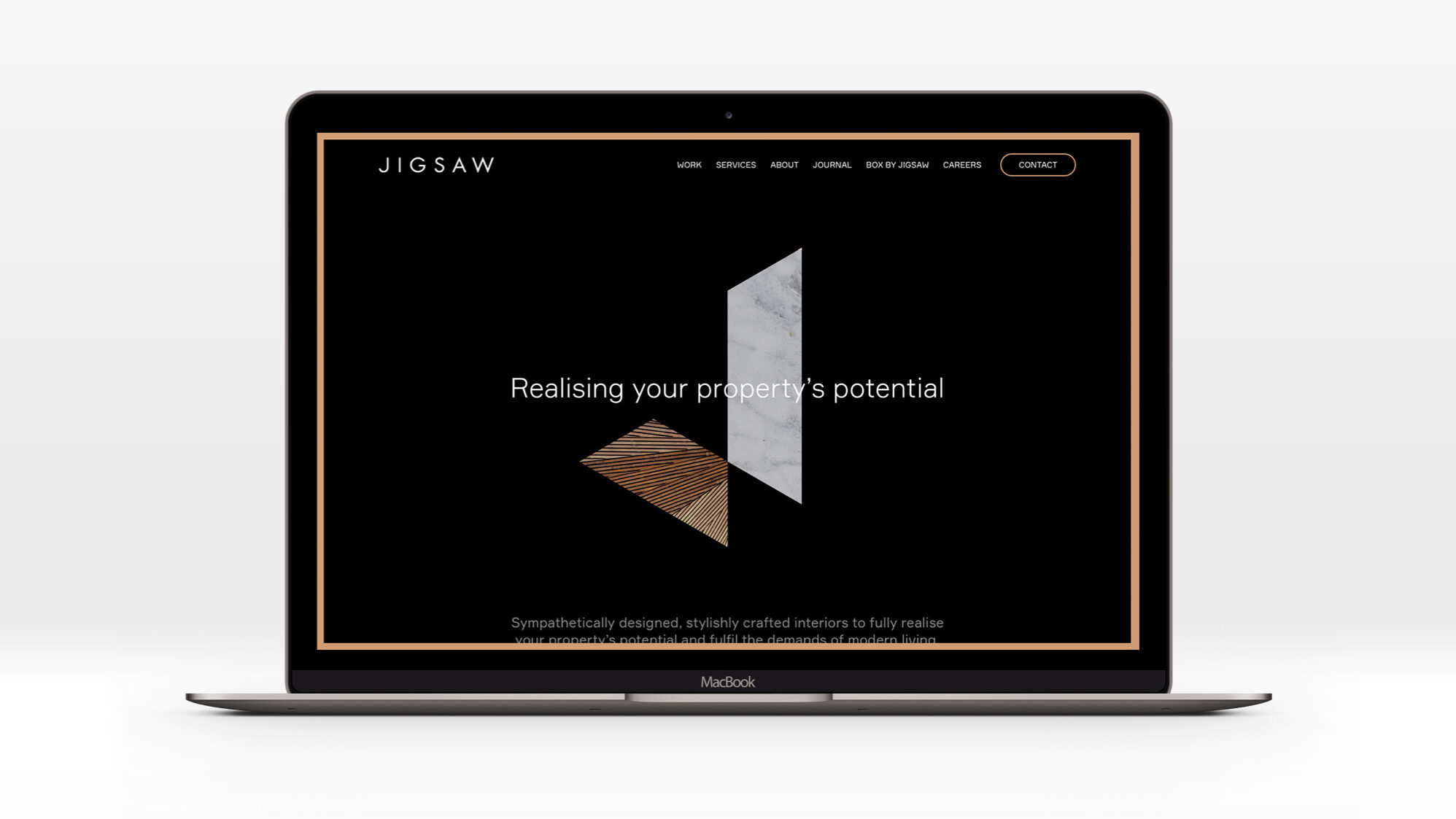
Jigsaw, an interior architecture and design practice, came to us with a specific communication problem: they were struggling to clearly articulate the value of their furniture pack service. Working through discovery sessions with founder Melissa Horne and the senior team, we co-created a brief together that went back to basics. What emerged was a brand platform rooted in the belief that better considered living spaces increase value both financially and emotionally. Melissa reflected on the process: “We went right back to basics, what do we do and why do we do it? It was a very cathartic exercise, and it helped me understand my team and my clients better.”
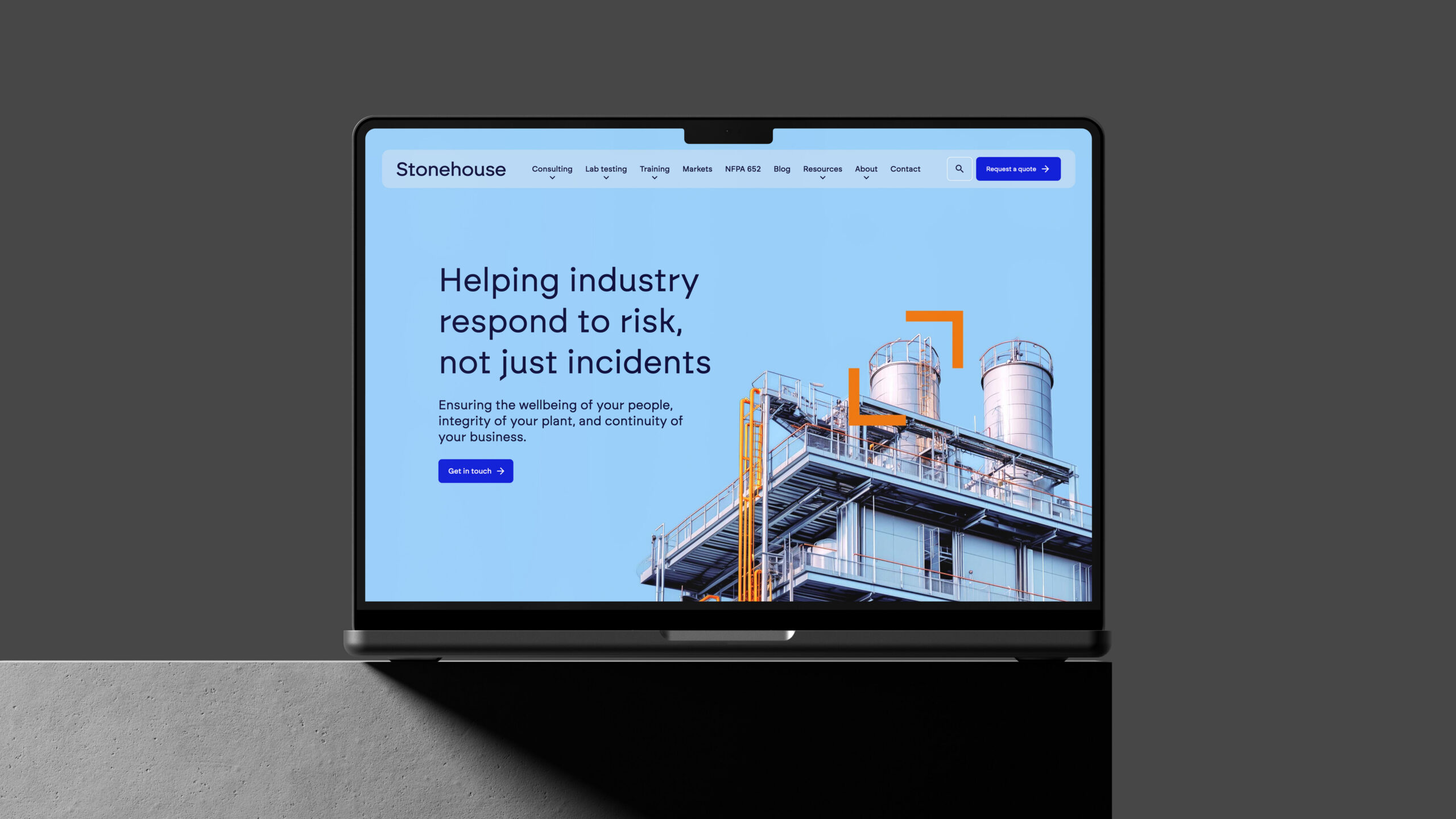
Stonehouse Process Safety came to us with a brief for website redesign, branding and SEO support. The discovery work surfaced something the brief had not named: their messaging was positioning them as a professional services firm, when their real differentiation was scientific rigour and a proactive approach to identifying hazards before they become incidents. The work shifted their positioning from “making the world safer” to “making your world safer.” A small change on paper. A significant one in practice. Since launch, organic traffic has increased by 52% and active users have doubled.
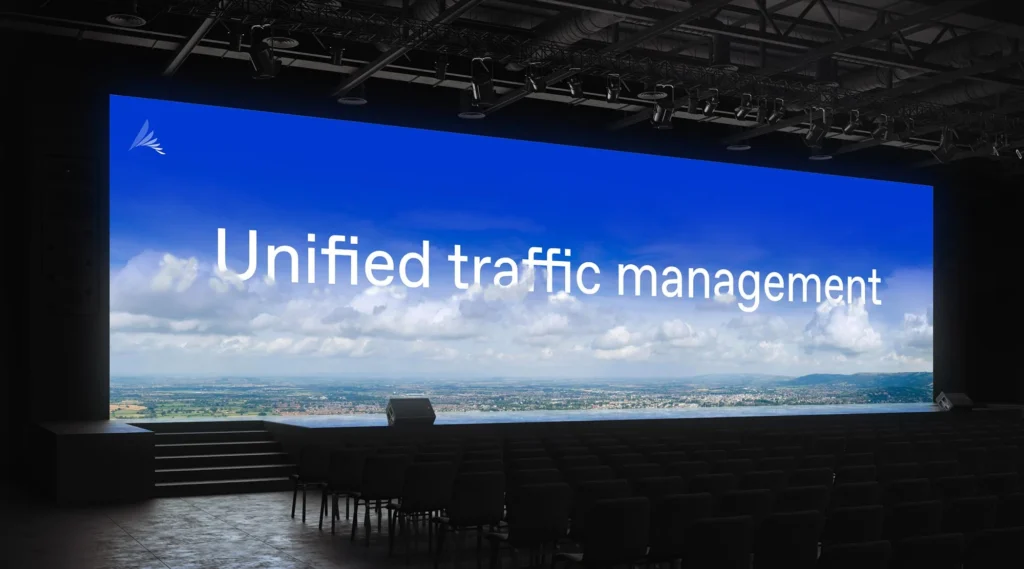
Altitude Angel approached us following a successful round of investment in 2023, with a brief for visual identity development to support their long-term growth as a leader in unmanned air traffic management. Through the process, we identified that their photography had been focusing on drone technology, when what Altitude Angel actually provides is the digital infrastructure behind it. The brief asked for visual evolution. The recommended work included a significant rethink of how photography was used, shifting focus to clear open skies, authentic human stories, and the real-world impact of services that are largely invisible by nature.
For Enginuity, a data-driven skills organisation serving the advanced manufacturing and engineering sector, there was no existing brand to evolve. Working alongside strategy partner Stronger Stories, we built the brand from the ground up: positioning, naming, identity, website, and a two-phase launch campaign. The process arrived at both a name and a purpose. Enginuity is not just the organisation’s name. It is a methodology. That outcome only became possible because the brief was genuinely open about what needed to be created, not just what needed to be delivered.
None of this is about adding scope or generating more work. It is about arriving at the right problem before any creative work begins, so that what follows is actually solving something real.
A supplier answers the brief you give them. A partner helps you work out what the brief should be. The distinction sounds small. In practice, it changes what gets built.
That kind of partnership requires a client willing to be questioned, and an agency willing to ask questions that go beyond the brief. It takes a little longer at the front end, but it’s almost guaranteed to produce better work at the other end.
The brief still matters. It just works better as the output of that early conversation than the input to it. By the time work begins, the problem is understood, not assumed.
If you are working up a brief at the moment, or trying to work out whether what you have describes the right problem, that is a useful conversation to have before anything else starts. Get in touch, we are glad to have it.